Cultural and Social Mecca
Entrepreneurial Action and Venue Agglomeration in Detroit’s Paradise Valley and Black Bottom Neighborhoods
DOI:
https://doi.org/10.34053/artivate.9.1.105Keywords:
Detroit, organization, network effects, effectuation, arts entrepreneursAbstract
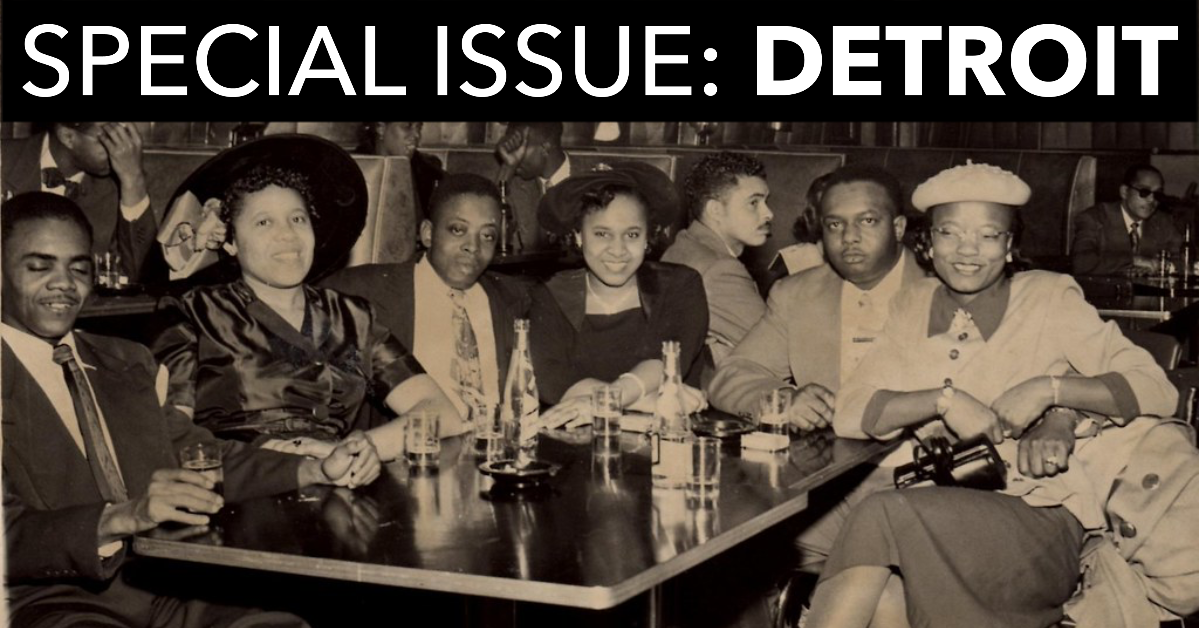
Detroit’s Black Bottom and Paradise Valley were African-American neighborhoods that housed a vibrant and active popular music scene between World War I and the 1960s. They were home to a dense network of music venues, many of which were owned or managed by African-Americans. Urban renewal projects during the late-1950s destroyed much of the heart of these places. Unfortunately, discussion of this activity is largely missing from the academic literature on placemaking, cultural entrepreneurship, and music scenes in Detroit. To address this gap, I propose a solution that marries discussion of these neighborhoods with a method to measure and compare entrepreneurial activity in a music scene using venue density as a construct.
Publication Facts
Reviewer profiles N/A
Author statements

To learn about these publication facts, click 
PF is maintained by the Public Knowledge Project